

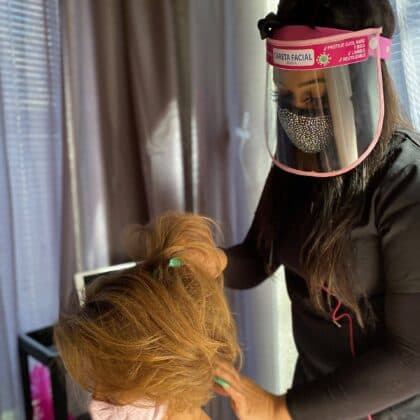
Have you ever felt a pleasant tingling sensation while someone brushed your hair, spoke softly, or carefully explained something to you? You may have experienced ASMR.
ASMR stands for Autonomous Sensory Meridian Response. It describes a pleasant tingling sensation that often begins around the scalp and may travel down the neck, shoulders, or back. People who experience it frequently describe accompanying feelings of calm and absorption.
Not everyone experiences ASMR. Some people enjoy the sounds, movements, or attention associated with it without feeling tingles at all.
A familiar feeling with a relatively new name
The term ASMR was coined in 2010 by Jennifer Allen, who helped organize an online community around a sensation many people recognized but struggled to describe. It is a community-created term, not a medical diagnosis or the discovery of a new anatomical structure.
Online videos helped bring ASMR to a wider audience, but the experiences people describe, such as listening to a quiet voice, watching someone work attentively, or having their hair brushed, extend beyond the internet.
The different forms of ASMR
ASMR “triggers” are the sounds, sights, or experiences that bring on the response. These categories often overlap, and preferences are highly individual.
Sound-based
Visual
Personal attention
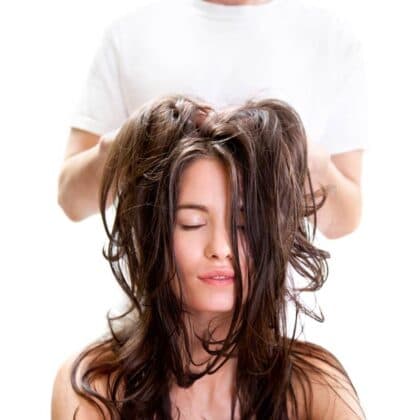
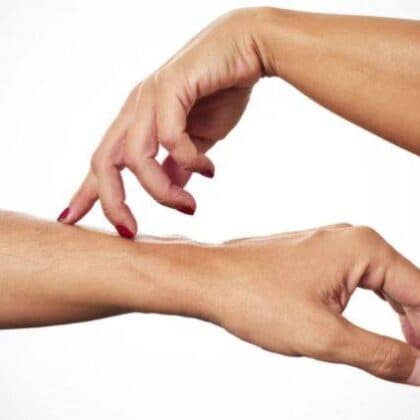
Touch-associated experiences

Is ASMR sexual?
ASMR is generally described and studied as a nonsexual sensory experience. Soft voices and personal attention can sometimes lead to misunderstandings about its purpose.
In a 2018 study, researchers specifically measured sexual arousal and found that it was not a reliable outcome of watching ASMR videos. The study also found reduced heart rate alongside increased skin conductance in participants who experience ASMR, a pattern suggesting calm and sensory engagement can occur together.
A sound or texture one person loves may feel neutral or unpleasant to someone else.
An emerging field, not a medical treatment
Researchers are investigating ASMR's relationship with emotion, attention, and physical responses. Early studies support the idea that, for people who experience it, ASMR can involve measurable changes alongside feelings of calm.
How ASMR relates to our experience
The Tickle Bar offers professional, strictly nonsexual sensory relaxation centered on gentle touch and attentive presence. Sessions explore experiences some people associate with ASMR, including gentle movements across the back, scalp, and hair.
Some clients may experience tingles; others may simply enjoy a quiet sensory pause. There is no required response and no reason to continue a sensation that feels uncomfortable. Published ASMR research provides context for understanding these experiences; it has not evaluated The Tickle Bar's services.