

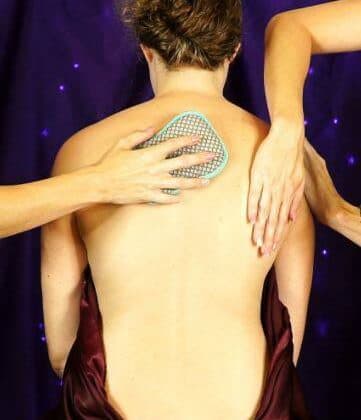
For some people, having their hair gently brushed or feeling a soft, repetitive movement across their back is deeply enjoyable. For others, the same sensation can feel distracting, uncomfortable, or overwhelming.
Autistic people have a wide range of sensory preferences. There is no single response to touch, and no expectation that everyone should enjoy it. At The Tickle Bar, our focus is professional, strictly nonsexual sensory relaxation. Understanding your preferences is an important starting point.
Sensory preferences are personal
Sensory processing describes how the nervous system receives and interprets information, including touch, sound, light, and scent. Autistic people may experience some sensations more intensely and others less intensely.
Touch
Environment
The day itself



Does this particular sensation feel comfortable to you, today?
Choice and predictability come first
An experience should never require enduring unwanted touch. Before choosing a provider, discuss what you enjoy, what you avoid, and what would help you feel informed and in control.
Can you explain the session before any touch begins?
Which tools, textures, and body areas are involved?
Can we agree in advance on areas or techniques to avoid?
Can we establish a clear signal for pausing or stopping, including a nonverbal signal?
What options are available for lighting, music, fragrance, and conversation?
Available accommodations may vary by provider. Discuss your needs before booking rather than assuming a particular setting or adjustment is available.
Relaxation, not treatment
The Tickle Bar offers nonsexual sensory relaxation. Our sessions are not designed to diagnose or treat developmental conditions, change how someone naturally experiences the world, or replace occupational therapy or other clinical care.
If touch causes pain, significant distress, or difficulties in everyday life, a qualified healthcare professional or occupational therapist can help you explore individualized support.
There is no required way to feel
You do not need to enjoy tickling, experience tingles, or respond in a particular way. Choosing not to receive touch is equally valid. If you are curious about a session, start with a conversation about your preferences and remember that your boundaries matter.